The Timeline Problem Nobody Talks About
Pole attachment delays aren’t a fringe risk. They’re one of the most consistent reasons broadband projects stall between design and construction, and the numbers bear that out. In one rural Virginia county, the local utility pole owner was averaging 234 days to process permit applications, nearly 70 days past the FCC’s 165-day standard. And according to NCTA, actual make-ready costs exceed estimated costs 50 to 90 percent of the time. That means most ISPs are starting construction with a budget that doesn’t reflect what they’ll actually spend.
That combination is brutal on project planning. You’re already behind on the timeline before a crew touches a pole, and the cost picture you built your pro forma around is probably wrong. Both of those gaps get worse when the underlying analysis wasn’t thorough enough to surface problems early.
When your permitting clock is running long and your budget assumptions are shaky, you don’t have margin for a submittal that comes back with issues. A conflict the utility’s field team finds that your analysis missed, a replacement need that wasn’t in the budget, an attachment problem that triggers a rework cycle: any one of those can compound a situation that was already tight. Together, they can threaten the grant window entirely.
The root issue is usually how the analysis was run in the first place.
When Analysis Becomes a Compliance Step
Standard pole loading work is often treated as a permitting requirement rather than an engineering discipline. The goal becomes clearing the submittal, not actually understanding the poles. That distinction matters more than most people realize.
An analysis built to pass is designed to get through. An analysis built to find problems is designed to protect your schedule. Those aren’t the same thing, and the difference tends to show up at the worst possible time: during make-ready, when your crews are mobilized, your equipment is staged, and a pole replacement that should have been caught in the design phase is now a change order.
The pattern shows up across the industry because of how pole loading work gets scoped and priced. That’s not a character flaw, it’s how the incentives are set up. When the deliverable is a submittal package and the schedule is already compressed, thoroughness is often the first thing that gives.
Terrain Makes It Worse
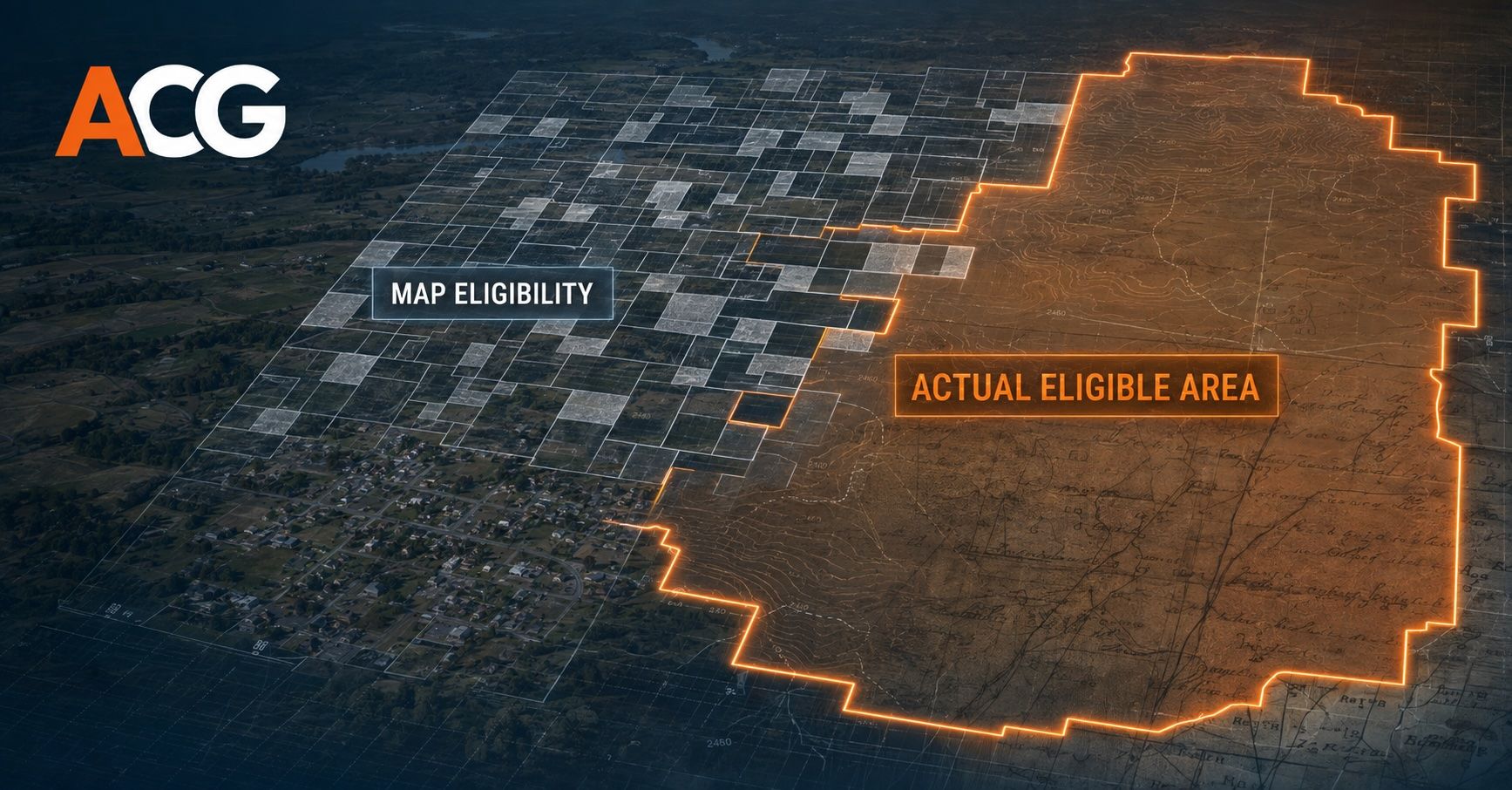
Remote and rural builds add a layer of complexity that flat-terrain projects don’t carry. In Southwest desert environments and dense Pacific Northwest forest, traditional field data collection is slow, expensive, and sometimes physically impractical. Some poles are simply difficult to reach through conventional means.
When the collection method limits what you can see, the analysis inherits those blind spots. Decisions get made on incomplete data, and the gaps surface during construction when there’s no good time to find them.
LiDAR and drone-supported workflows change that equation. They don’t replace engineering judgment, but they expand what’s visible and make it practical to cover terrain where traditional methods would require tradeoffs. Better data going in means fewer surprises coming out.
What We Found, and What It Protected
On a recent project spanning challenging terrain, our team deployed LiDAR and drone workflows to existing pole conditions so that engineers could complete a make-ready assessment that traditional field collection would have struggled to run accurately. The analysis went well past minimum permitting requirements, examining existing pole conditions, attachment conflicts, potential replacement needs, and anything that could reasonably surface once construction started.
What came back wasn’t a clean pass. There were problems. But finding them at the analysis stage meant our client could address them before crews mobilized, before material was staged, and before the schedule was at risk. Thorough submittals also reduced back-and-forth with the utility, which kept the approval cycle moving rather than cycling through rounds of revision.
That’s what early identification actually buys you: a project you can plan around. When the problems surface at the analysis stage, the schedule holds. And on a project tied to a grant deadline, that’s what keeps the funding intact.
See the full project story here.
The Question Worth Asking Before You File
If you’re moving toward a make-ready assessment or a pole attachment application, it’s worth asking your engineering team one straightforward question: are you analyzing these poles, or just clearing them?
The answer tells you a lot about what the process is actually built to find.
Thorough pole loading analyses identifies existing issues, flags attachment conflicts before they become field discoveries, documents replacement needs before they become change orders, and gives the utility clear, well-supported submittals that are easier to approve. It takes more attention up front. It’s also the thing most likely to keep a delayed permit from becoming a delayed project.
A Free Project Review Before It Goes to the Utility
Every project ACG engineers is led by a licensed Professional Engineer from initial design to final closeout. If you have an upcoming make-ready assessment or pole attachment submittal, we’ll take a look at your approach before it goes in. No cost, no commitment. Just a straight read from engineers who’ve done this work across rural and tribal builds.
An early conversation is free. A construction surprise isn’t.
Request your free project review at ackermancg.com/broadband-project-risk-review
Sources:
- 234-day stat: ikeGPS (April 2025) — ikegps.com/whitepapers/a-guide-for-broadband-network-expansion-overcoming-bottlenecks-in-the-pole-attachment-process/
- 50–90% cost overrun stat: Broadband Breakfast (Dec. 1, 2025) — broadbandbreakfast.com/on-pole-attachments-industry-groups-battle-over-cost-caps-and-utility-control/